Claudia Stoll
Ecological Design & Planning

studio work
Landscape Studio III: Speculations
Spring 2017
University of Melbourne
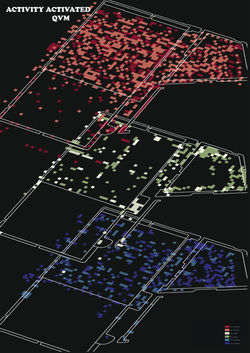
A studio-based subject that offers speculative investigations for landscape architectural design. Building upon landscape derived theoretical influences and precedent informed by design practice. Framed by contemporary agendas for landscape design, studio investigations will include speculation and experiment with spatial design, materiality and detailing; digital media; heritage and conservation in national and or international contexts.
 |
|---|
 |
 |
 |
 |
|---|
 |
 |
Ecology of Urban Landscapes
Spring 2017
University of Melbourne
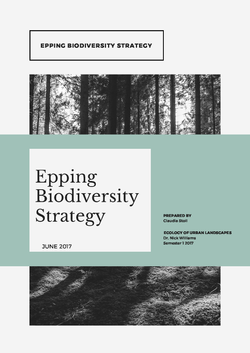
Australia is one of the most urbanized countries in an increasingly urbanized world. This subject will introduce students to urban ecology and landscape ecology concepts and illustrate how they can be applied to plan and design more ecologically sustainable human landscapes. Topics include the concept of scale in ecology, land transformation and habitat fragmentation, the structure and components of landscapes, patterns and processes along urban-rural gradients, the impacts of urbanization on biodiversity and strategies to mitigate them.
 |  |  |
|---|---|---|
 |  |  |
 |  |  |
 |  |
Changing Melbourne
Spring 2017
University of Melbourne
In a design studio format, the students will analyze and propose interventions for the built environment on a broad scale, considering multiple factors (including ecological, economic, political, sociological, and historical) in their engagement of the site. The majority of the semester will be spent working on one complex project. Students will use digital tools as well as traditional design media and physical model building within a liberal arts based conceptual studio that encourages extensive research and in depth theoretic inquiry.
 |
|---|
 |
 |
 |
 |
 |
 |
 |
 |
 |
 |
 |
|---|
 |
 |
 |
 |
 |
 |
 |
 |
 |
 |
 |
Broadscale Design and Planning Studio
Fall 2016
Reid Bertone-Johnson, Smith College
In a design studio format, the students will analyze and propose interventions for the built environment on a broad scale, considering multiple factors (including ecological, economic, political, sociological, and historical) in their engagement of the site. The majority of the semester will be spent working on one complex project. Students will use digital tools as well as traditional design media and physical model building within a liberal arts based conceptual studio that encourages extensive research and in depth theoretic inquiry.


Introduction to Architecture: Site and Space
Spring 2016
James Middlebrook, Smith College
The primary goal of this studio is to engage in discourse about the inhabitation of the built environment, which is explored through the architectural design process. Students create projects to represent their ideas and observations in response to challenging questions about the art and craft of space-making. This course asks students to take risks, intellectually and creatively, to foster a keener sensitivity to the built environment as something that can be analyzed and manipulated.


Studio I
Fall 2015
Joseph Volpe, University of Massachussets
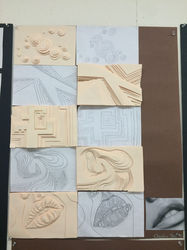
Introduction to Design -- basic introduction to two-dimensional concepts of design. Line, form, contrast, repetition, symmetry, texture, scale, and other design techniques.
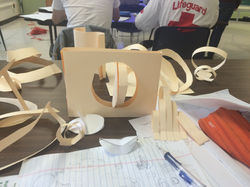
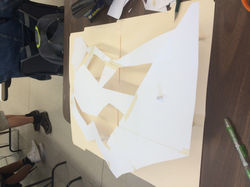
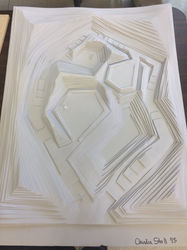
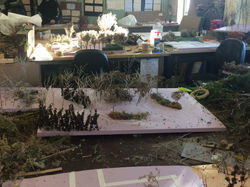
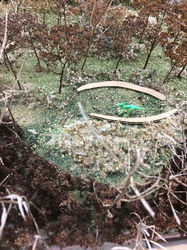
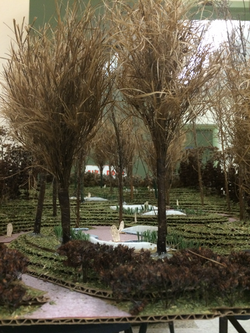
Models -- introduction to three-dimensional design thinking by creating spaces through land form, vegetation, and structure.

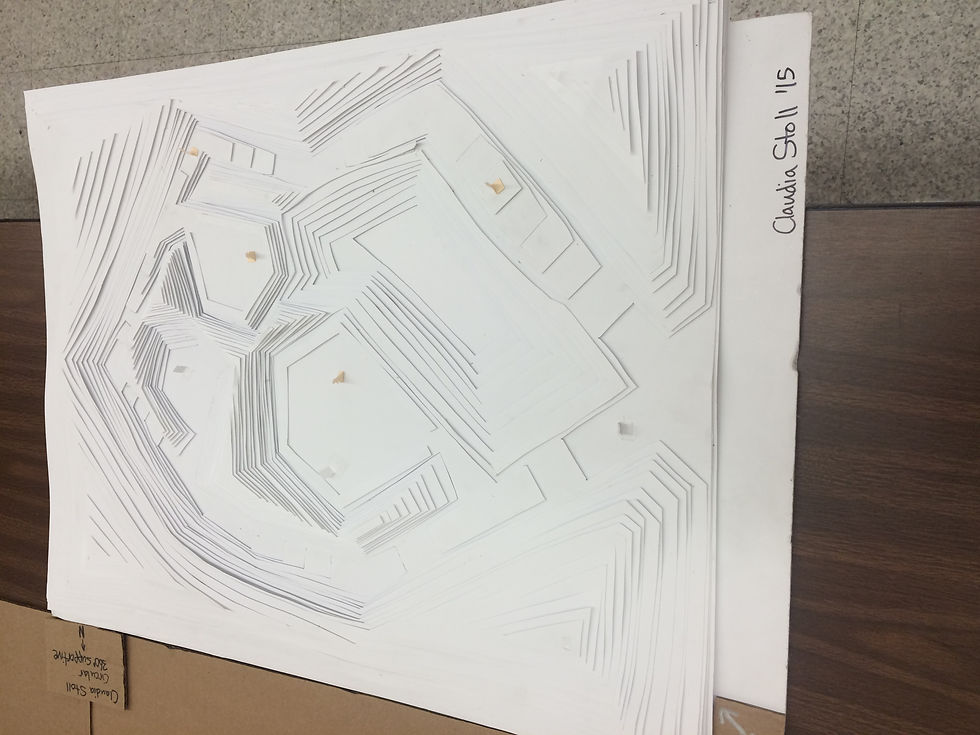


Studio I, Professor Volpe, UMass
playing with shape
 |
|---|
 |
 |
 |
 |
 |
 |
 |
 |
 |
garden of structure
 |
|---|
 |
 |
 |
 |
 |
 |
 |
 |
 |
 |
 |
 |
 |
 |
hillside garden 1
 |
|---|
 |
 |
 |
 |
 |
 |
 |
 |
 |
garden of landform
 |
|---|
 |
 |
 |
 |
 |
 |
 |
 |
 |
 |
 |
garden of plants
 |
|---|
 |
 |
 |
 |
 |
 |
 |
 |
 |
 |
 |
 |
 |
hillside garden 2
 |
|---|
 |
|
 |
 |
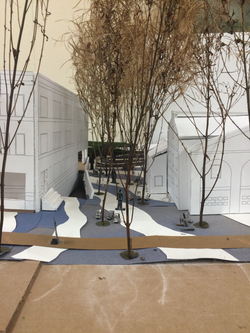
site specific: amherst fire station
 |
|---|
 |
 |
 |
 |
 |
 |
 |